
Explore Ghana's forts, National Parks, and Hidden History – your journey starts here!
Find your roots and rise — Ghana3d.com Gateway Experience 360. Your ultimate guide to cultural, historic, and soul-stirring adventures.!
Discover Ghana’s Nature and Wilderness Like Never Before
If you’ve already explored the lush rainforests and canopy walkways of Kakum National Park, you're only halfway through experiencing Ghana’s incredible natural diversity. To complete your adventure, head north to Mole National Park — Ghana’s largest and oldest protected area, where savannah landscapes, sandstone escarpments, waterfalls, and elephants await.
While Kakum offers dense tropical forest and high canopy views, Mole delivers open savannah plains, dramatic rocky ridges, and unforgettable safari encounters. Together, they showcase the full range of Ghana’s ecological beauty — from the southern rainforest to the northern savannah.
Set in the heart of the Northern Region, Mole National Park is a vast wilderness shaped by ancient geological forces and home to rich biodiversity. Imagine standing on a cliff, watching herds of elephants below, or walking through a forest gallery beside a river teeming with birds — that’s Mole.
With an area of over 4,577 km², the park is filled with rolling hills, valleys, seasonal rivers, caves, waterfalls, and sandstone rock formations — a sharp contrast to the dense greenery of Kakum.
| National Park | Region | Highlights | Best For |
|---|---|---|---|
| Mole National Park | Northern | Largest park, elephants, antelopes, savannah | Safaris |
| Kakum National Park | Central | Rainforest, canopy walkway, birdlife | Canopy adventures |
| Digya National Park | Brong-Ahafo | Lake Volta wetlands, manatees, fishing | Water-based wildlife |
| Bui National Park | Bono Region | Hippos in Black Volta River, savannah hills | Hippo watching |
| Nini-Suhien National Park | Western | Dense rainforest, rare primates | Jungle trekking |
| Kyabobo National Park | Oti Region | Mountain hiking, waterfalls, antelopes | Hiking |
| Bia National Park | Western | UNESCO biosphere reserve, chimpanzees | Conservation & primates |
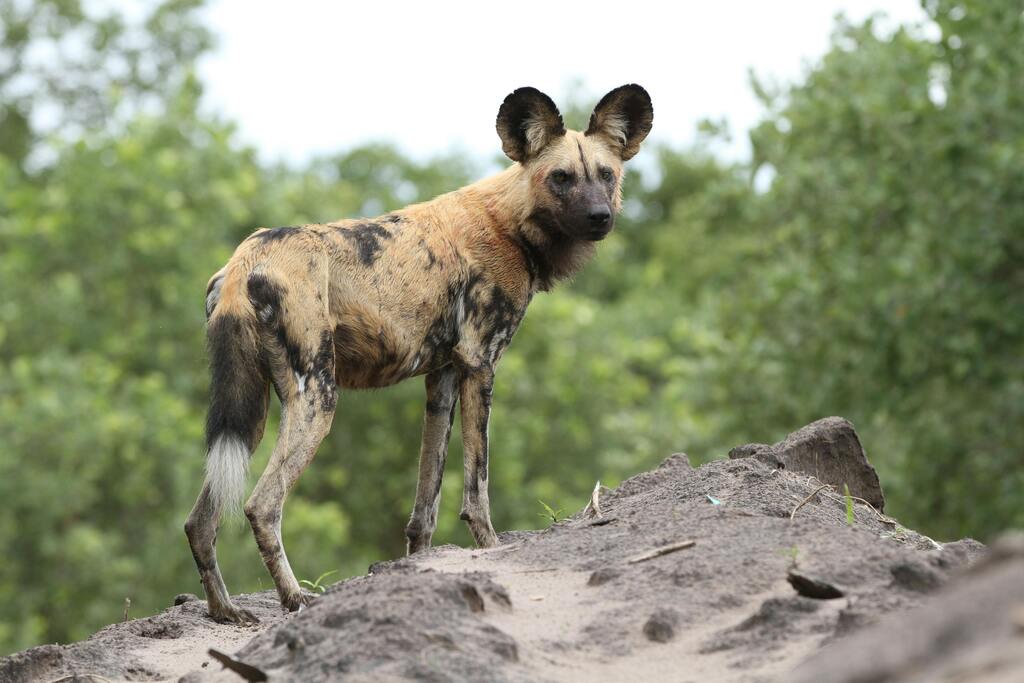
Hyena on a rock, at Mole National Park
History: Established in 1958, Mole is Ghana’s largest park (4,840 sq km).
Wildlife: Elephants, buffalo, antelopes, warthogs, over 300 bird species.
Activities: Jeep safaris, walking safaris, birdwatching.
Best Time: Dry season (Nov–March) for easier wildlife spotting.
Entry Fees: Approx. GHS 40 for adults; guided safaris extra.
Visitor Tip: Stay at Mole Motel overlooking a waterhole where elephants gather.
History: Established in 1900, one of Ghana’s oldest protected areas.
Wildlife: Manatees, hippos, crocodiles, diverse fish species.
Activities: Boat tours on Lake Volta, fishing, birdwatching.
Best Time: Dry season for boat access.
Visitor Tip: Great for eco-tourists seeking off-the-beaten-path experiences.
History: Created in 1971, covering 1,821 sq km.
Wildlife: Hippos in Black Volta River, antelopes, monkeys.
Activities: River safaris, hiking, fishing.
Best Time: Dry season for hippo viewing.
Visitor Tip: Combine with Bui Dam visit for engineering + nature.
History: Established in 1976, part of Ankasa Conservation Area.
Wildlife: Rare primates, forest elephants, butterflies.
Activities: Jungle trekking, camping, birdwatching.
Visitor Tip: Best for adventurous travelers seeking untouched rainforest.
History: Declared in 1997, located near Togo border.
Wildlife: Antelopes, monkeys, waterfalls, Mount Dzebobo.
Activities: Hiking, mountain climbing, cultural tours.
Visitor Tip: Ideal for hikers—offers panoramic views of Ghana and Togo.
History: UNESCO Biosphere Reserve since 1983.
Wildlife: Chimpanzees, forest elephants, rare birds.
Activities: Guided treks, primate watching.
Visitor Tip: Conservation-focused travelers will appreciate its pristine ecosystem.
History: Declared a national park in 1992.
Wildlife: Forest elephants, civets, over 250 bird species.
Activities: Famous canopy walkway (350m long, 40m high), guided forest hikes.
Best Time: Year-round, but dry season offers easier access.
Entry Fees: GHS 30–165 depending on activities.
Visitor Tip: Combine with Cape Coast Castle for a cultural + nature day trip.
Wildlife Safaris: Mole National Park
Canopy Adventures: Kakum National Park
Hiking: Kyabobo National Park
Hippo Watching: Bui National Park
Challenges: Poaching, deforestation, human-wildlife conflict.
Community Involvement: Local guides, eco-tourism projects, conservation education.
7-Day Northern Safari: Mole + Larabanga Mosque + Tamale cultural tours.
Central Region Combo: Kakum + Cape Coast Castle + Elmina Fort.
Difference between National Parks & Resource Reserves: Parks are fully protected; reserves allow limited resource use.
Permits: Entry fees at park gates; special permits for research/filming.
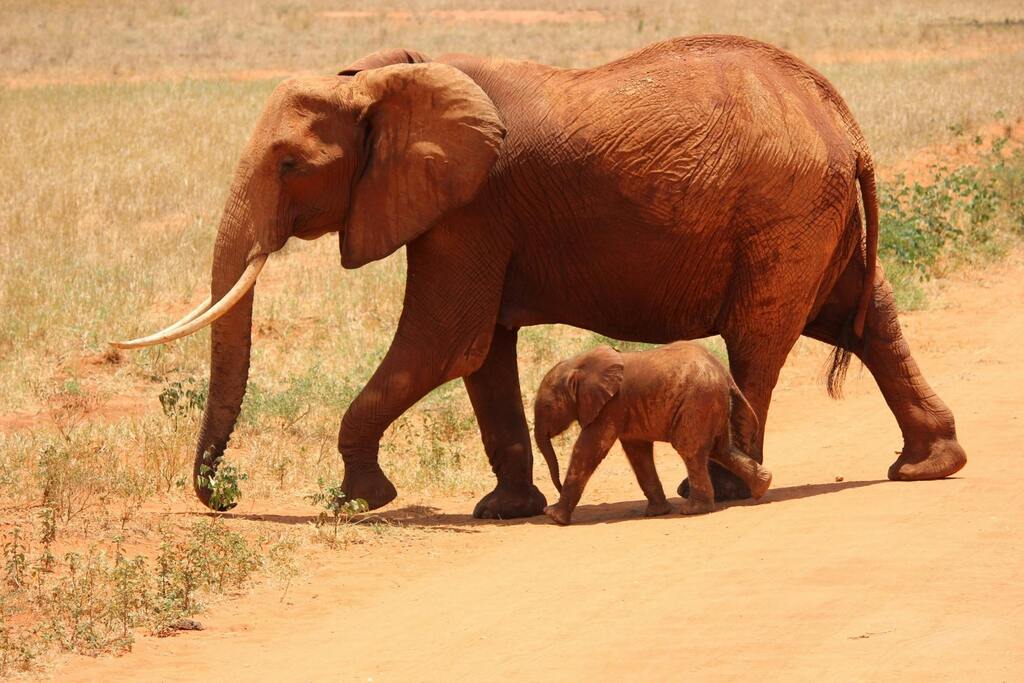
Adventurers chasing beauty and perspective - The park becomes not just a place you pass through — but a place that stays with you. Elephants. One baby elephant at Mole national Park